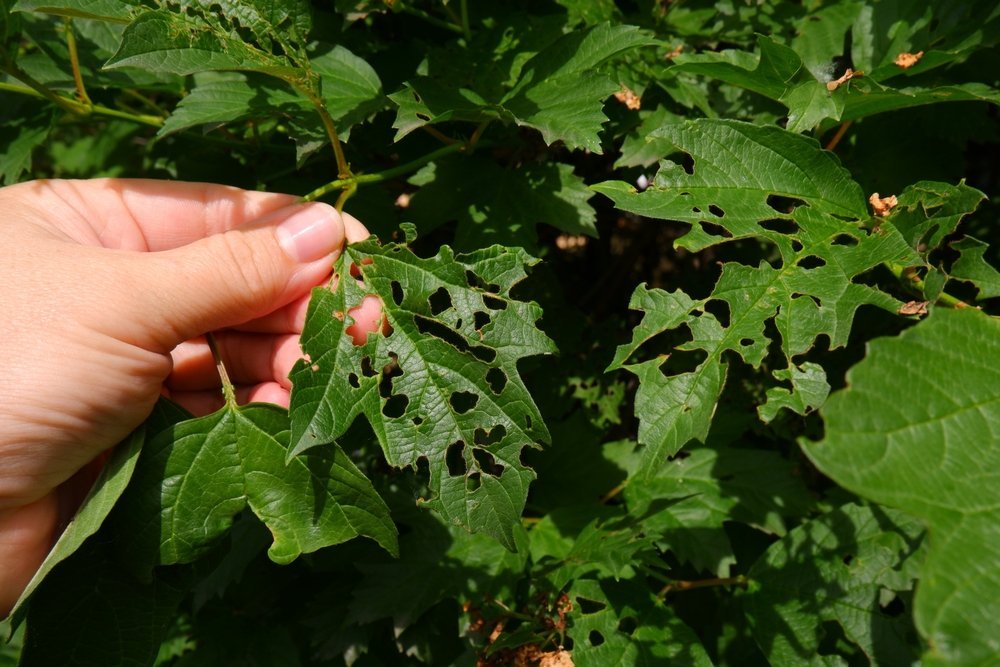
1. Unusual Leaf Changes
Healthy trees should have vibrant, full foliage appropriate for the season. When disease strikes, leaves become the first battlefield.
What to look for:
- Leaves turning yellow, brown, or developing spots outside of normal seasonal changes
- Premature leaf drop (especially in spring or summer)
- Wilted or curled leaves when there’s adequate moisture
- Unusual patterns like leaves dying from the outside in, or specific branches losing foliage while others remain healthy
The backstory:
Trees communicate through their leaves. When a pathogen attacks the root system or vascular tissue, the tree can’t transport water and nutrients properly. The leaves show this stress first. Research from Cornell University shows that leaf symptoms typically appear 2-6 weeks before other visible signs of tree disease.
Take Dutch elm disease, for instance. It starts with yellowing leaves on one or two branches in midsummer, which can easily be mistaken for drought stress. But if you know what you’re looking for, you can spot the difference. The yellowing follows the tree’s vascular system, creating distinct patterns that trained arborists recognize immediately.
Your action plan:
Don’t wait and see. If you notice unusual leaf changes, contact our tree health consultation team for a professional evaluation. We’ll determine whether it’s disease, environmental stress, or something else entirely. Early detection saves trees, and potentially saves you thousands in removal costs.