Inspect Your Trees for Damage and Disease
Before winter settles in, take time to really look at your trees. Walk around your property and examine each tree carefully, paying special attention to those near your home, driveway, or power lines. You’re looking for warning signs that spell trouble when winter weather hits.
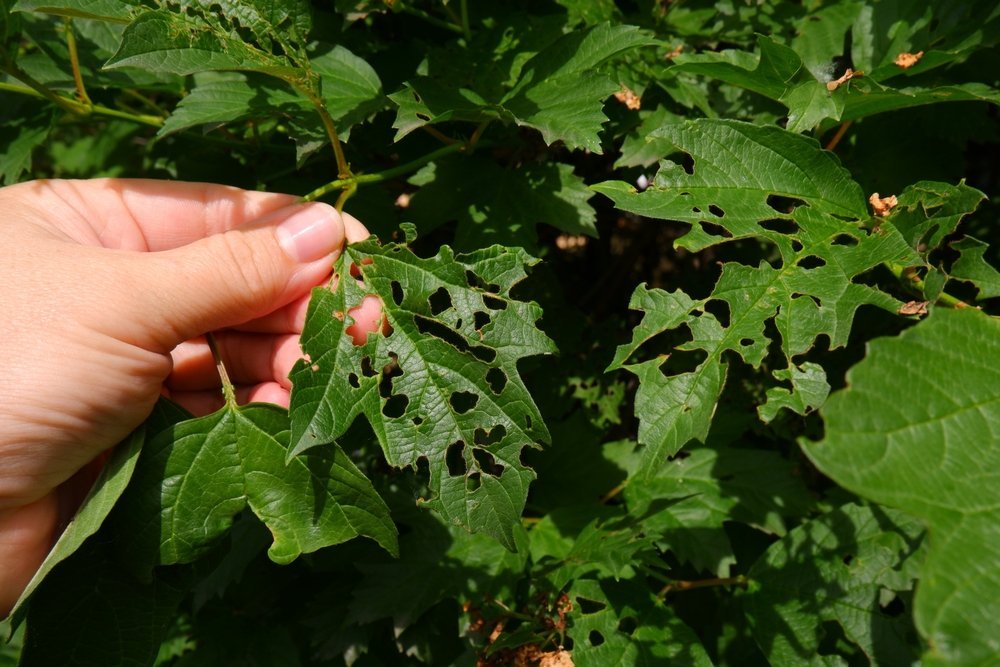
Check for dead or dying branches that hang precariously above. These are disasters waiting to happen. According to the International Society of Arboriculture, dead branches are significantly more likely to fail under snow and ice loads because they lack the flexibility and structural integrity of healthy wood. Look for bark that’s peeling away, fungal growth at the base, or areas where the wood looks discolored or soft. These are all red flags.
One customer called us last March after a tree fell on their garage during a late-season storm. When we examined the tree, the inside was completely rotted. Something they couldn’t see from the outside. Professional tree health consultations can catch these hidden dangers before they become expensive disasters. We assess your tree’s condition and help determine whether it needs removal or can be saved with proper treatment. Sometimes what looks like a small problem on the surface indicates a much bigger issue beneath the bark.
Don’t forget to inspect the root zone too. Mushrooms growing near the base, exposed roots, or soil that seems sunken around the trunk can indicate root decay. Trees with compromised root systems are especially vulnerable to winter windstorms. If you spot any of these warning signs, contact us today for a tree health evaluation. We’ll give you honest advice about the best course of action, whether that’s treatment, pruning, or removal.