Preparing for Tree Removal
Preparation is the foundation of a successful and safe tree removal project. Before you start, take these critical steps:
Assessing Tree Health and Stability
Evaluating the tree’s condition is vital. Check for signs of rot, decay, or hollow sections in the trunk, as these weaken the tree and make it unpredictable. Similarly, inspect the branches to see if they are dead or damaged. A tree that leans heavily or shows signs of disease poses a greater risk and should prompt a call to a professional.
Clearing the Surrounding Area
Remove all obstacles, including vehicles, tools, or outdoor furniture, from the tree’s fall zone. The fall zone is the area where the tree will likely land after cutting. Ensure there is sufficient room for the tree to fall safely without hitting power lines, structures, or other hazards.
Wearing Proper Safety Gear
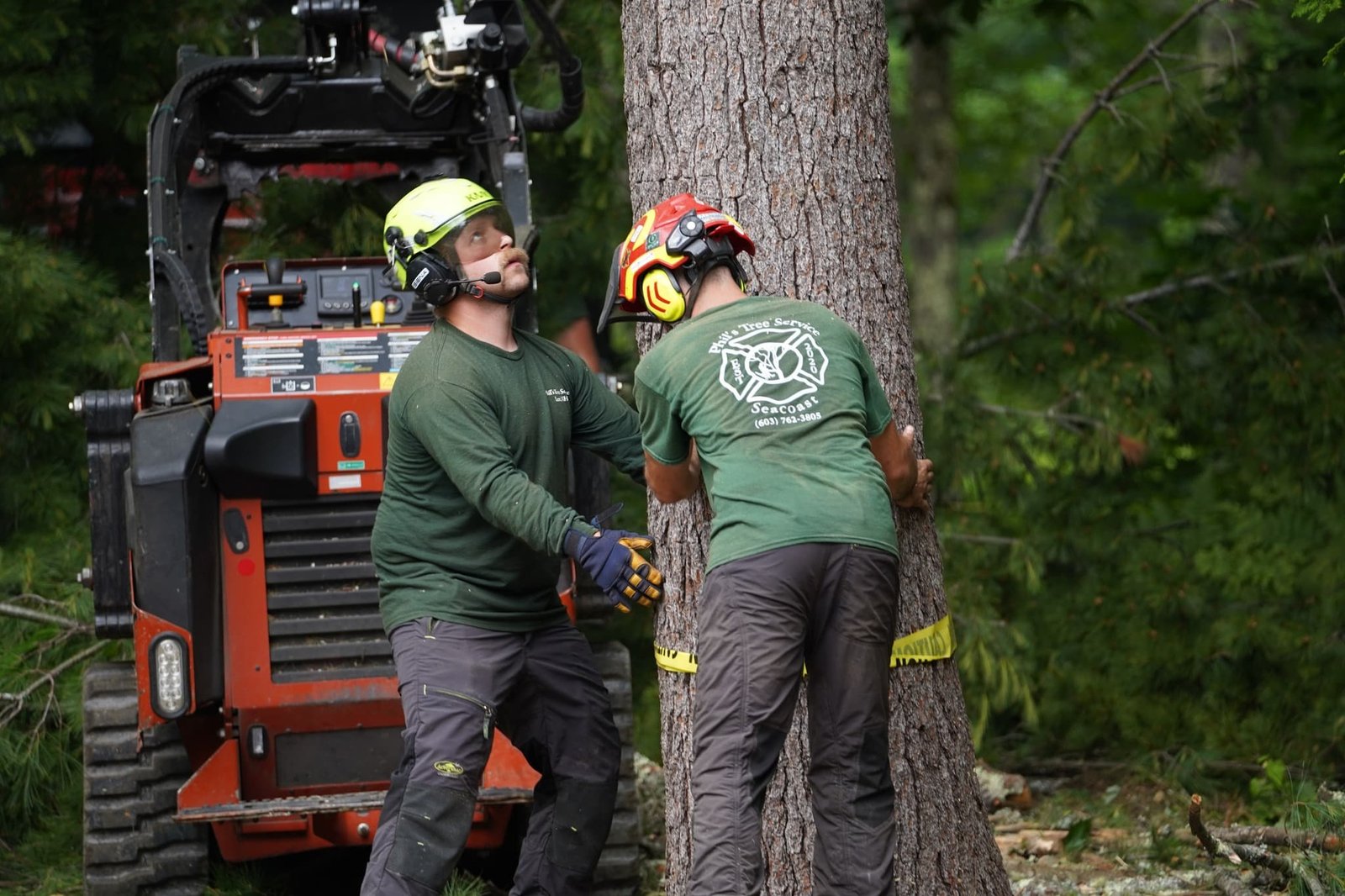
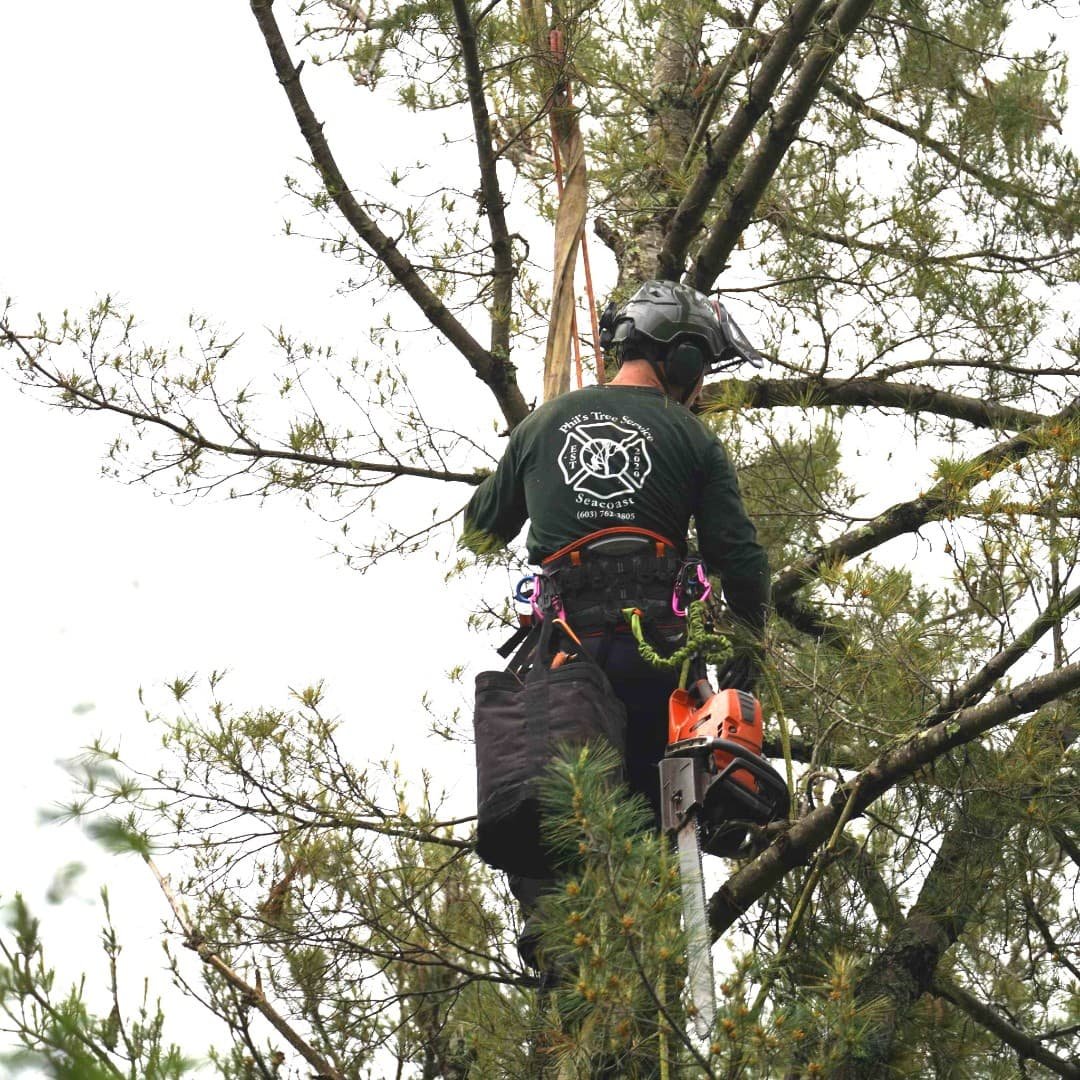
Wearing the right equipment is essential to reduce injury risks. Equip yourself with a hard hat, safety goggles, gloves, and steel-toe boots. For those operating a chainsaw or other cutting tools, hearing protection and a secure harness (if climbing) are also necessary. Proper gear ensures you’re protected from falling debris and sharp tools.